A Rotomolding Company
 English
 日本語
日本語 français
 Deutsch
 italiano
 العربية
 русский
 Kiswahili
 română
 Svenska
 dansk
dansk Español
 português
 Hausa
Hausa-

-
When evaluating roto molding vs blow molding, it becomes clear that each process offers distinct advantages depending on the application. Blow molding is typically faster and better suited for high-volume production of simple, hollow parts, making it a popular choice in the roto molding vs blow molding comparison for manufacturing bottles, containers, and certain automotive components. While blow molding offers speed and efficiency, rotational molding design provides greater flexibility and material options. Each method has its own set of trade-offs, and the choice depends on the specific needs of the project. By understanding these differences, businesses can select the most appropriate molding process for their requirements.
Blow molding is renowned for its production speed, making it a preferred choice for high-volume manufacturing. The process can produce thousands of units per hour, significantly reducing lead times. This high-speed capability is particularly beneficial for industries that require large quantities of products, such as packaging and automotive. The efficiency of blow molding is further enhanced by automation, which minimizes labor costs and increases consistency. Advanced blow molding machines can also perform multiple operations simultaneously, such as trimming and labeling, further speeding up the production process. By leveraging the speed of blow molding, businesses can meet tight deadlines and respond quickly to market demands.
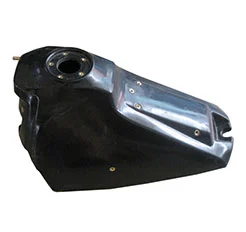
This process involves heating plastic powder inside a rotating mold, allowing it to coat the interior evenly. The result is a seamless, hollow product with consistent wall thickness. Just like a sculptor, the rotational molding process allows for intricate details and complex shapes. This method is particularly useful for creating custom and unique items that require a high level of precision. The flexibility of rotational molding makes it ideal for a wide range of applications, from industrial rotomolded fuel tanks to consumer goods. By choosing rotational molding, businesses can achieve a level of craftsmanship that sets their products apart.
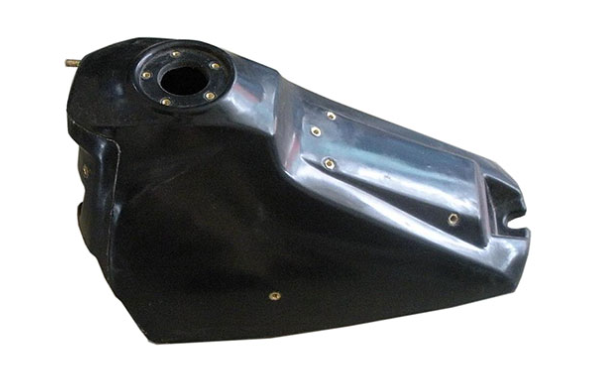
In terms of cost control, both blow molding and rotational molding offer unique advantages. Blow molding is generally more cost-effective for high-volume production runs. The initial investment in machinery and molds can be high, but the per-unit cost decreases significantly with larger quantities. Rotational molding, while having a higher per-unit cost, requires less expensive molds and is more economical for small to medium production runs. Additionally, rotational molding allows for the use of a wider range of materials, which can be cost-effective depending on the application. Both methods can benefit from efficient material usage and waste reduction strategies. By carefully considering the cost implications of each process, businesses can make more informed financial decisions.
Optimizing production efficiency is a key concern for any manufacturing process. Blow molding excels in high-speed production, making it ideal for large-scale manufacturing. The process involves inflating a heated plastic tube until it fills a mold and forms the desired shape. This method is highly automated, reducing labor costs and increasing output. Rotational molding, while slower, offers the advantage of producing more complex shapes with consistent wall thickness. This can be particularly beneficial for custom or low-volume projects. Both methods can be optimized through advanced machinery and technology. For example, automated systems can monitor and adjust parameters in real-time, ensuring consistent quality. By choosing the right molding process and optimizing it, businesses can achieve higher efficiency and lower production costs.
Enhancing product quality is another critical factor in choosing a molding process. Blow molding is known for its ability to produce lightweight, durable products. The process ensures uniform wall thickness, which is essential for structural integrity. Rotational molding, on the other hand, excels in creating products with intricate details and complex shapes. This method allows for greater design flexibility, enabling the production of unique and customized items. Both processes can benefit from quality control measures such as regular inspections and testing. Advanced materials and additives can also improve the performance and longevity of the final product.
By carefully analyzing product requirements and understanding the strengths of blow molding vs rotomolding, businesses can enhance product quality, meet customer expectations, and significantly reduce the risk of product failure in long-term applications.