A Rotomolding Company
 English
 日本語
日本語 français
 Deutsch
 italiano
 العربية
 русский
 Kiswahili
 română
 Svenska
 dansk
dansk Español
 português
 Hausa
Hausa-

-
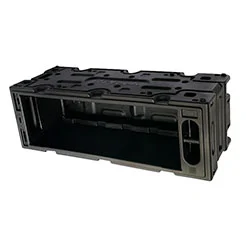
Selecting the ideal plastic enclosure for electronic devices is a crucial step in product development. Whether you are creating a plastic prototype or finalizing a design for mass production, understanding how different factors such as size, customization, durability, material choices, and cost affect your decision can save time and resources. This article explores the key elements involved in choosing the perfect enclosure, which will not only protect your electronics but will also enhance their functionality and aesthetics. With insights into rotational moulding and custom roto techniques, manufacturers can make informed choices that align with their specific requirements.
The size of the enclosure plays a significant role in the design and functionality of electronics. Manufacturers must consider dimensions that accommodate internal components while ensuring ease of assembly and maintenance. Customization goes beyond basic sizing; it includes the addition of features like mounting options, access points, and aesthetic elements that can make an enclosure unique to a brand or application.
| Feature | Description |
|---|---|
| Precise Fit | Ensures component safety and usability |
| Mounting Options | Facilitates secure installation |
| Access Points | Provides convenient cable and port access |
| Aesthetic Elements | Enhances branding and user experience |
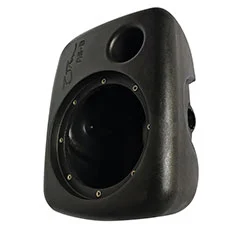
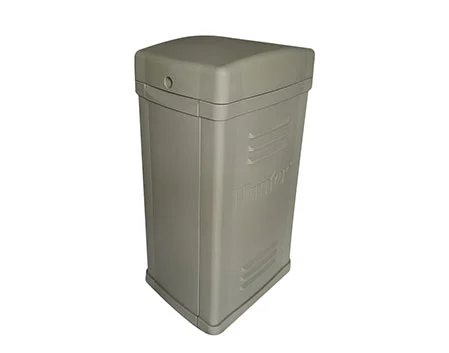
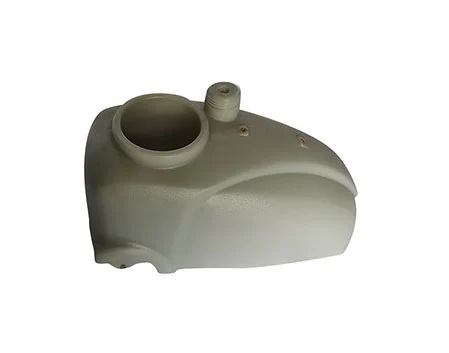
Rotational moulding or rotomolding is a preferred technique for achieving custom shapes and sizes due to its versatility and cost-effectiveness. The rotomolded plastic enclosures are known for their durability and ability to accommodate complex geometries. Understanding what is rotomolding can significantly benefit manufacturers looking for bespoke solutions.
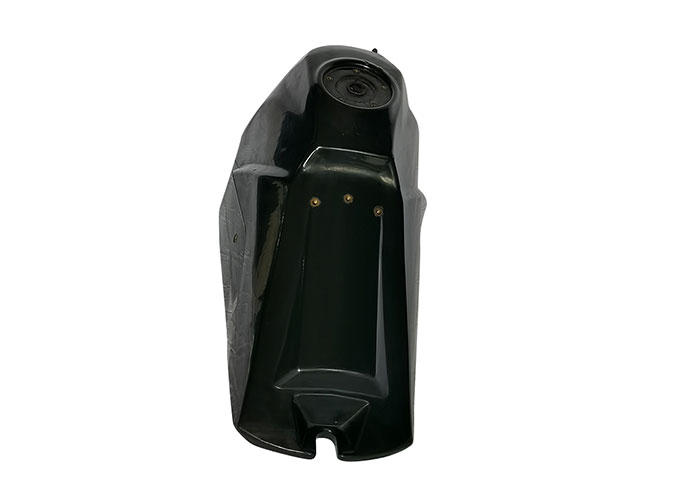
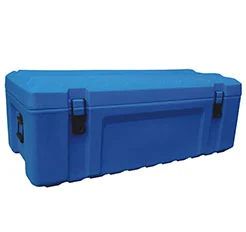
When designing enclosures for outdoor use, durability becomes paramount. Weather conditions, UV exposure, and physical impacts must be considered. Enclosures must be resistant to environmental factors without compromising on aesthetic appeal. Manufacturers often turn to rotational moulding to produce rotomolded plastic enclosures given their high resistance to wear and tear.
| Environmental Factor | Requirement |
|---|---|
| Weatherproofing | Protection against rain, snow, and humidity |
| UV Resistance | Prevents fading and degradation from sun exposure |
| Impact Resilience | Maintains integrity during accidental impacts |
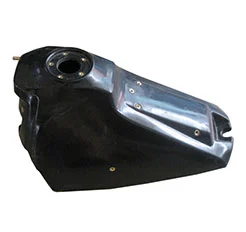
The choice of materials—such as those used in plastic fuel tank production or in crafting durable enclosures for lifeguard stands—significantly affects the performance and longevity of the product. Common materials like polyethylene and polycarbonate offer distinct advantages, while rotocasting provides solutions for complex shapes and hollow structures often produced in a rotomolding factory.
Manufacturers need to weigh the options between blow molding vs rotational molding; each has unique benefits regarding strength, flexibility, and environmental impact. Emphasizing material choice is particularly important for products like plastic water tanks or rotomolded hot tubs that must withstand both physical and environmental pressures.
Choosing the right supplier for your roto moulded products like enclosures can impact both the quality and the efficiency of your manufacturing process. Whether you are looking for floor scrubber machine parts, custom roto molding, or other specific items, thorough supplier vetting ensures product reliability and consistency.
| Supplier Quality | Consideration |
|---|---|
| Experience | Track record in the industry |
| Capabilities | Range of offered services |
| Customer Reviews | Feedback from previous clients |
Budget is always a critical consideration in prototype and product design. Balancing quality and expense is key to successful product launches. Factors like material choice, manufacturing process, and order volume play significant roles in determining costs.
| Cost Element | Impact |
|---|---|
| Material Costs | Price varies by durability and type |
| Production Technique | Complexity affects time and expense |
| Volume | Higher volumes can reduce unit costs |
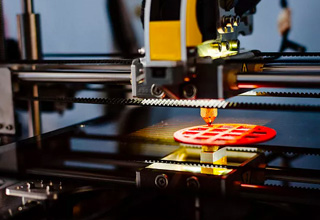
Utilizing processes like plastic prototyping can help manufacturers refine designs before committing to large-scale production, offering opportunities to adjust specifications and manage costs effectively.
Understanding the factors involved in selecting a plastic enclosure for electronics can empower manufacturers to make informed decisions that enhance product performance and market success. By incorporating knowledge of rotational moulding or custom roto molding, businesses can achieve customized solutions that cater to their specific needs. As advancements in manufacturing techniques evolve, so do opportunities for creating innovative, cost-effective, and durable products that stand out in the market. Whether you're exploring options for a lifeguard chair for sale or designing parts for floor scrubbers, careful consideration of each factor covered will set the foundation for producing quality enclosures.