A Rotomolding Company
 English
 日本語
日本語 français
 Deutsch
 italiano
 العربية
 русский
 Kiswahili
 română
 Svenska
 dansk
dansk Español
 português
 Hausa
Hausa-

-
When it comes to choosing between rotomolded hot tubs and acrylic hot tubs, there are several factors to consider that can significantly affect your decision. Both types have their unique advantages and disadvantages, tailored to different needs and preferences. In this comprehensive guide, we will delve into the material properties, cost and longevity, maintenance requirements, energy efficiency, and comfort features of each type. Whether you're looking for a hot tub for relaxation, therapy, or social gatherings, understanding the differences between these two materials can help you make an informed choice. As we explore these aspects, we'll also subtly highlight the brand information where it can naturally fit into the discussion.
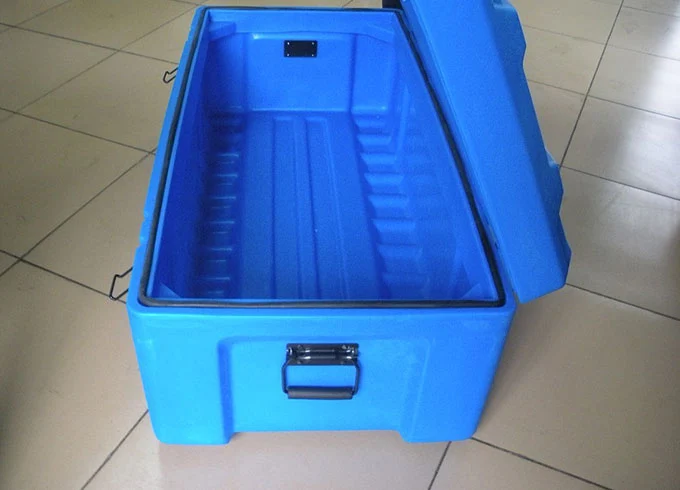
The materials used in constructing hot tubs can significantly influence their durability and performance. Rotomolded plastic offers a distinct advantage in terms of flexibility and impact resistance compared to acrylic surfaces.
| Type | Material | Properties |
|---|---|---|
| Rotomolded | Polyethylene | Impact resistance, flexibility |
| Acrylic | Acrylic Sheets | High gloss, sturdy |
Rotational molding processes allow for thick, uniform walls which can withstand significant pressure and impacts. This is particularly beneficial for outdoor plastic water tanks and rotomolded hot tubs, both of which belong to durable roto moulded products designed to handle harsh environmental conditions. On the other hand, acrylic hot tubs sport an attractive finish with a smooth, glossy surface that appeals to those looking for aesthetic quality.
Investment in a hot tub involves not just the initial purchase cost but also considerations of longevity and value over time. Rotomolded hot tubs are generally more cost-effective, making them an appealing option for budget-conscious buyers.
Considering the plastic prototype manufacturing costs, rotomolding proves advantageous—creating seamless designs that extend longevity without requiring frequent replacements. While acrylic tubs can come with higher upfront costs due to material expenses and intricate design, they often exhibit longer lifespans with proper care. This difference in durability and repair needs should be factored into long-term ownership decisions.
Keeping a hot tub in prime condition requires regular maintenance. The rotomolded hot tub have a simpler maintenance regimen attributed to their robust design and materials.
The seamless design resulting from the rotomolding process means fewer opportunities for leaks—an advantage over acrylic which may require more frequent seal replacements and surface maintenance to avoid wear. Regular cleaning is essential for both styles, but rotomolded tubs demand less intensive upkeep, a factor worth considering when assessing maintenance costs.
Energy efficiency can make a significant difference in operational costs. Rotomolded hot tubs generally offer better insulation due to the nature of their material and manufacturing process.
The uniform thickness achieved through custom roto molding provides superior insulation, reducing heat loss and subsequently lowering energy usage. While acrylic tubs can be equipped with specialized insulation, this often involves additional costs. For eco-conscious buyers, the choice between blow molding vs rotational molding impacts the environmental footprint—rotational molding often being the more energy-efficient option, naturally complementing sustainability goals.
Each type of hot tub brings unique comfort features tailored to different preferences. Rotomolded hot tubs, often crafted with precision in a rotomolding factory, generally offer more spacious interiors due to their seamless designs.
Those seeking maximum comfort might be drawn to acrylic tubs with their contoured seating and customizable jets offering tailored hydrotherapy experiences. However, the space-efficiency and versatility of rotomolded designs, such as available lifeguard stands, ensure optimal comfort without sacrificing structural integrity.
Choosing between rotomolded and acrylic hot tubs requires a thorough understanding of material characteristics, cost implications, maintenance needs, energy efficiency, and comfort features. Both options present unique advantages that appeal to different user needs, making it essential to identify priorities before making a purchase. Through informed consideration backed by substantial research and understanding of innovation in roto casting, buyers can confidently select a hot tub that aligns with their lifestyle and preferences. For those exploring available lifeguard chairs for sale, or investing in reliable floor scrubber machine parts, the principles discussed will serve as valuable guidance going forward.